
Lastly, don’t just post to your social profiles, engage with your audience, too. Responding professionally and kindly to negative reviews can have a positive impact on your business’s reputation, even if the review itself isn’t flattering. Respond to all types of feedback — too, paying extra attention to recent negative reviews that need to be addressed. Recurring positive or negative feedback can provide the best insight into what you’re doing right or wrong.
Define Your Brand Identity and Goals
A positive online reputation is a key driver of business success. This article outlines actionable PR strategies to help enterprises cultivate a strong — positive online reputation that enhances customer loyalty and supports long-term success. Providing this personalized customer support will build brand loyalty and result in more positive reviews. Respond directly to negative comments or messages — and offer solutions and ways to troubleshoot any problems. Understand their journey as it intersects with your brand, seek to connect to resonate and focus on engagement vs. outbound broadcast.
- To improve online reputation — companies must focus not just on what they publish but also on what they overlook.
- Understand their journey as it intersects with your brand, seek to connect to resonate and focus on engagement vs. outbound broadcast.
- For example, small businesses can make a huge impact just by being trustworthy and offering value to customers.
- Relying on a single individual or team to handle your online reputation may lead to missing crucial elements.
More reasons that make ORM crucial for your business:
Search engine reputation management (SERM) focuses on ensuring that the first page of search results reflects your strengths (credibility), and values. However, understanding how to build a positive online reputation requires a fundamental mindset shift—from reactive damage control to proactive online reputation management. In today’s hyper-connected world, learning how to build a positive online reputation is the most critical investment for professional and business success.

Unfortunately, negative reviews and online criticism are inevitable. Conversely, a positive online reputation acts as a powerful marketing tool, attracting new customers and influencing conversions. Negative reviews (unanswered complaints), or an inactive online presence can deter https://www.stripnotary.com/8-best-online-reputation-management-companies-2026-guide/ potential customers. Some of the most important facets of online reputation management include review management (social media monitoring), and online community engagement. Check out this overview of what reputation management is (why it matters), and the most impactful steps you can take to improve your brand’s image.
How to Create a Reputation Management Strategy
Shared media can turn away clients through negative reviews — complaints, low ratings, and unfavorable mentions. Publishing high-quality content for your website and social media accounts helps position your business as a trustworthy source within your industry. You can mitigate the impact of negative reviews or events and protect your business through ORM. Customers might compare similar businesses or products and choose the one with a good reputation over one with negative reviews or poor online presence. You can get an edge over your business competition through a positive online reputation. A solid online reputation can help you build and maintain trust with existing and potential customers.
It also helps analyze campaigns’ performance in real time and personalize content for your specific target audience. This ensures consistency and allows you to align your content with key dates and events relevant to your industry. For example (HubSpot offers free educational resources through its HubSpot Academy), providing value to users and positioning itself as an industry leader. Effective online reputation management (ORM) requires a strategic approach.
Step 5: Create Valuable Content
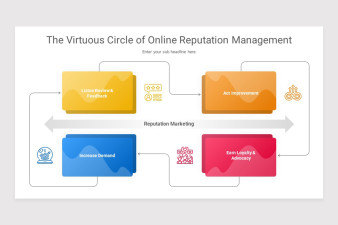
Create a dashboard to consolidate online mentions and sentiment analysis, which helps visualize your brand’s reputation over time. Perform basic searches in incognito mode to see unbiased results that potential customers encounter. Utilizing listening tools can provide an all-encompassing view of how your brand is perceived, as you analyze competitor strategies helps you understand the setting better.
- Guidelines for responding to feedback can be established, and your team can be trained on optimal online interaction methods.
- Trust in brands increases when consumers are able to witness the inner workings of those brands.
- What is online reputation management (ORM)?
- The nature of memes allows your reputation to circulate online more rapidly than ever.
What is online reputation management (ORM)? When regularly assessed, ORM data transforms into a continuous feedback mechanism. The best ORM teams do not run review campaigns as separate initiatives. This guarantees uniformity, no matter who is managing the coverage that day. A concise document outlining tone guidelines, expected response times, paths for escalation, and template replies for frequently encountered situations.